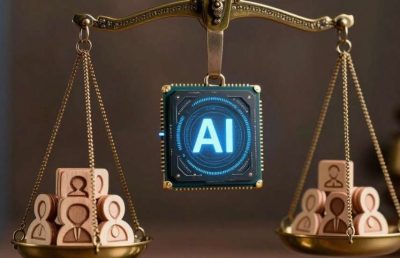




Short Answer: AI is transforming strategic technology hiring by increasing information density, highlighting alignment signals, and reducing reliance on subjective intuition. Rather than replacing human judgment, mature organizations leverage AI-driven insights to audit hiring standards, challenge legacy hiring practices, and enforce systemic accountability across teams. Ultimately, AI serves as a strategic decision input that elevates executive recruitment from personal confidence calls to evidence-based system design.
Introduction
By the middle of the year, many technology and product driven organizations have moved past early experimentation with AI in hiring. The focus has shifted from whether AI should be used to how it should shape higher quality decisions. What was once positioned as a productivity layer is now influencing judgment at the leadership level.
The role of AI in strategic hiring decisions is no longer about automation alone. It is about signal clarity, risk reduction, and improving the consistency of decisions made under pressure. For founders, CTOs, and Heads of Talent, AI has become part of how hiring strategy is formed rather than a tool used at the edges of the process.
AI Is Changing the Nature of Hiring Judgment
Hiring has always involved judgment. What AI is altering is the information density available at the moment decisions are made. In many organizations, leaders are now reviewing richer datasets around candidate behavior, process drop off, and performance correlation than at any point before.
This shift is exposing a long standing issue. Poor hiring outcomes are rarely caused by lack of data. They are caused by inconsistent interpretation of signals. AI does not remove judgment, but it surfaces patterns that make weak judgment harder to justify.
Strategic hiring decisions increasingly reflect:
- Pattern recognition across multiple hiring cycles
- Early identification of misalignment signals
- Reduced reliance on anecdotal or recent experience
- Greater consistency across interviewers and roles
AI becomes most valuable when it highlights where intuition needs to be challenged, not when it attempts to replace it.
Strategic Hiring Decisions Sit Above Automation
A common misconception is that AI driven hiring is synonymous with automation. At a strategic level, this framing misses the point. Automation optimizes process efficiency. Strategy determines direction, risk tolerance, and long term capability.
In mature organizations, AI is being used to inform decisions such as:
- Which roles warrant deeper assessment investment
- Where hiring standards have drifted over time
- How talent quality differs across teams or regions
- When to pause hiring rather than accelerate it
These are not operational questions. They are leadership questions. AI contributes value when it supports these conversations with evidence rather than replacing them with outputs.
Data Is Forcing More Honest Hiring Conversations
One of the quieter impacts of AI in hiring has been increased transparency. When leaders have access to consistent data across hiring funnels, it becomes harder to defend decisions based purely on confidence or seniority.
This has changed how hiring disagreements are resolved. Instead of debating individual candidates in isolation, organizations are examining broader decision patterns.
Data informed hiring discussions now focus on:
- Which interview stages introduce the most noise
- Where bias appears despite good intentions
- How hiring speed correlates with downstream performance
- Whether selection criteria actually predict success
These insights are uncomfortable at times, but they create conditions for better long term decision making.
AI Is Influencing Workforce Strategy Indirectly
While AI is often discussed in the context of candidate selection, its strategic impact extends further. Hiring data increasingly feeds into broader workforce planning conversations.
Organizations are using AI driven insights to:
- Reassess which capabilities are over indexed
- Identify emerging skill adjacency rather than net new roles
- Understand attrition risk tied to hiring decisions
- Model the downstream cost of poor leadership hires
This indirect influence is where AI begins to shape workforce strategy rather than individual hiring outcomes. Leaders gain visibility into how hiring decisions compound over time.
The Risk of Overconfidence in AI Outputs
As AI adoption matures, a new risk is emerging. Overconfidence in outputs can create a false sense of objectivity. Strategic hiring decisions still require context, judgment, and accountability.
AI systems reflect the assumptions embedded within them. If those assumptions go unchallenged, bias and misalignment can scale quietly.
Organizations that use AI responsibly tend to:
- Treat AI outputs as decision inputs, not conclusions
- Regularly review and recalibrate success signals
- Maintain human accountability for final decisions
- Invest in leadership capability alongside technology
Strategic value comes from balance. AI sharpens insight, but leaders remain responsible for consequences.
Leadership Capability Determines AI Effectiveness
The effectiveness of AI in strategic hiring decisions is ultimately constrained by leadership maturity. Data does not create alignment on its own. Leaders must be willing to engage with what the data reveals.
In 2025, organizations seeing the strongest outcomes share a common trait. Hiring leaders are comfortable interrogating their own assumptions.
They use AI to:
- Test long held beliefs about talent quality
- Challenge legacy hiring practices
- Identify where standards need reinforcement
- Support difficult but necessary hiring decisions
Without this willingness, AI becomes another reporting layer rather than a strategic asset.
AI Is Reshaping Accountability in Hiring
Perhaps the most significant shift is how accountability is evolving. As hiring decisions become more data informed, leaders are increasingly expected to explain not just outcomes but decision logic.
This changes the tone of executive hiring conversations. Decisions are less defensible as personal judgment calls and more visible as system level choices.
Over time, this encourages:
- Clearer hiring principles
- Better alignment between talent and business leaders
- Reduced variance in hiring quality
- More deliberate leadership hiring decisions
AI does not remove responsibility. It concentrates it.
Frequently Asked Questions (FAQs)
1. Does AI make hiring decisions more objective?
AI can reduce noise and surface patterns, but it does not eliminate subjectivity. Objectivity improves only when leaders engage critically with the data rather than deferring to it.
2. Should AI influence senior and executive hiring decisions?
Yes, but indirectly. AI is most effective at highlighting patterns and risks rather than selecting leaders outright. Final decisions remain a leadership responsibility.
3. What is the biggest risk of using AI in hiring strategy?
Overreliance on outputs without understanding underlying assumptions. This can scale bias rather than reduce it if not actively managed.
4. How should organizations measure success from AI in hiring?
By consistency of decision making, reduced downstream hiring regret, and improved alignment between hiring outcomes and long term performance.
Conclusion
The role of AI in strategic hiring decisions is now firmly established, but its value depends on how it is used. AI enhances visibility, sharpens signals, and forces more disciplined conversations. It does not remove the need for judgment.
Organizations that treat AI as a strategic lens rather than a shortcut are better positioned to make durable hiring decisions. They use data to challenge assumptions, strengthen accountability, and align hiring with long term priorities.
In a landscape where talent decisions compound quickly, AI does not replace leadership judgment. It makes the cost of poor judgment clearer.