


Short Answer: Talent intelligence transforms workforce planning by using internal data signals—such as product delivery pressure, team cognitive load, and customer growth—to anticipate hiring demands before they become operational bottlenecks. Rather than relying on rigid headcount forecasts, organizations use talent intelligence to connect strategic business drivers with proactive recruitment capability.
Introduction
Hiring demand rarely appears out of nowhere. It builds quietly through product decisions, delivery pressure, customer growth, and organizational strain. Yet many technology organizations still treat hiring as a reaction to urgency rather than a consequence of signals that were visible much earlier.
Talent intelligence has emerged as a way to surface those signals before they become problems. Not as a forecasting gimmick, but as a discipline that connects workforce data to business reality. When applied well, it changes how leaders think about timing, risk, and readiness in hiring.
For founders, CTOs, and heads of talent, the value of talent intelligence lies in anticipation. It allows hiring to move from scramble to strategy without pretending certainty exists.
Why Traditional Workforce Planning Falls Short
Conventional workforce planning tends to rely on static assumptions. Headcount plans are locked early. Hiring targets are tied to budgets rather than operational stress. Adjustments happen only after performance slips or teams signal overload.
This approach struggles in technology environments where priorities shift quickly. Product direction evolves. Technical debt accumulates. Attrition patterns change without warning.
The limitation is not lack of data. It is lack of integration. Signals sit in different systems and are reviewed in isolation, long after they could have informed better decisions.
Talent intelligence addresses this gap by linking disparate data points into a coherent view of future need.
Talent Intelligence Is About Signal, Not Prediction Certainty
A common misconception is that talent intelligence promises precise forecasts. In practice, its strength lies elsewhere. It improves directional awareness rather than guaranteeing outcomes.
Effective talent intelligence focuses on probability and risk. It helps leaders understand where pressure is building and where capacity may break if conditions persist.
Common signals include:
- Sustained increases in workload without corresponding delivery gains
- Repeated role backfills in specific teams or functions
- Slippage between roadmap commitments and execution capacity
None of these signals predict exact hiring numbers. Together, they highlight where intervention is likely required.
Connecting Business Drivers to Hiring Demand
Hiring needs are downstream of business decisions. Product expansion, market entry, platform rearchitecture, and customer growth all carry workforce implications. Talent intelligence becomes valuable when these connections are made explicit.
Instead of asking how many roles to hire, organizations begin by asking what decisions are creating future demand. This reframing shifts hiring conversations from volume to intent.
Strong talent intelligence models map:
- Business initiatives to capability requirements
- Capability gaps to time bound risk
- Risk exposure to hiring urgency
This allows leaders to prioritize hiring where delay is most costly rather than where noise is loudest.
Internal Data Often Carries More Signal Than External Benchmarks
External labor market data has its place, but internal signals are often more predictive. Attrition trends, internal mobility patterns, and delivery metrics reveal stress points specific to the organization.
Talent intelligence elevates the use of internal data that was previously underutilized. Patterns become visible when data is reviewed longitudinally rather than episodically.
High value internal signals include:
- Tenure concentration in critical roles
- Dependency on a small number of senior contributors
- Declining engagement alongside rising output expectations
These indicators surface hiring needs before managers formally request headcount.
Talent Intelligence Changes the Role of Talent Teams
When hiring is reactive, talent teams execute requests. When talent intelligence is in place, they advise on timing and tradeoffs. This shift changes how talent functions are perceived and how they add value.
Rather than waiting for approval cycles, talent leaders can bring forward evidence based perspectives on risk and readiness. Conversations move upstream, closer to strategy.
This evolution requires trust. Leaders must be willing to engage with imperfect signals and accept that early intervention often feels uncomfortable. Over time, the credibility gained from preventing disruption outweighs the discomfort.
Predictive Insight Improves Hiring Quality, Not Just Timing
Anticipating hiring needs improves more than scheduling. It improves decision quality. When organizations are not hiring under pressure, they make better choices.
Talent intelligence creates space for:
- Clearer role definition before urgency sets in
- More selective evaluation rather than rushed compromise
- Stronger alignment between hiring managers and recruiters
Hiring done early is rarely perfect. Hiring done late is often worse.
Governance Matters as Insight Grows
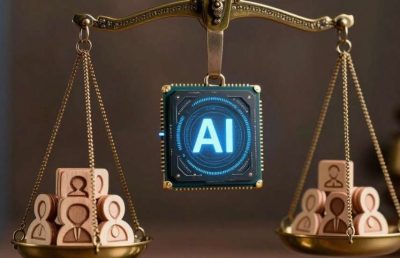
As talent intelligence becomes more influential, governance becomes essential. Data driven insight must be interpreted, not automated into decisions.
Leaders need clarity on:
- Which signals warrant action
- How uncertainty is communicated
- Where human judgment overrides model output
Without governance, predictive insight risks becoming prescriptive. The goal is informed decision making, not delegation of responsibility.
Frequently Asked Questions (FAQs)
1. Is talent intelligence the same as workforce planning?
No. Workforce planning is typically static and budget driven. Talent intelligence is dynamic and signal based, designed to adapt as conditions change.
2. How accurate can hiring predictions really be?
Precision is not the objective. Talent intelligence improves directional awareness and risk identification rather than exact forecasts.
3. What data is most useful for predicting hiring needs?
Internal data such as attrition trends, workload indicators, and delivery performance often provides stronger signal than external benchmarks.
4. Does talent intelligence replace leadership judgment?
It should not. Its value lies in informing judgment, not automating decisions.
Conclusion
Talent intelligence reframes hiring as a strategic response to emerging signals rather than a reaction to crisis. It allows organizations to see pressure building before it becomes disruption.
The organizations that benefit most treat talent intelligence as a leadership input, not a reporting exercise. They use data to ask better questions, challenge assumptions, and time decisions more effectively.
In technology environments where capacity and capability define outcomes, the ability to anticipate hiring needs is less about prediction and more about preparedness.